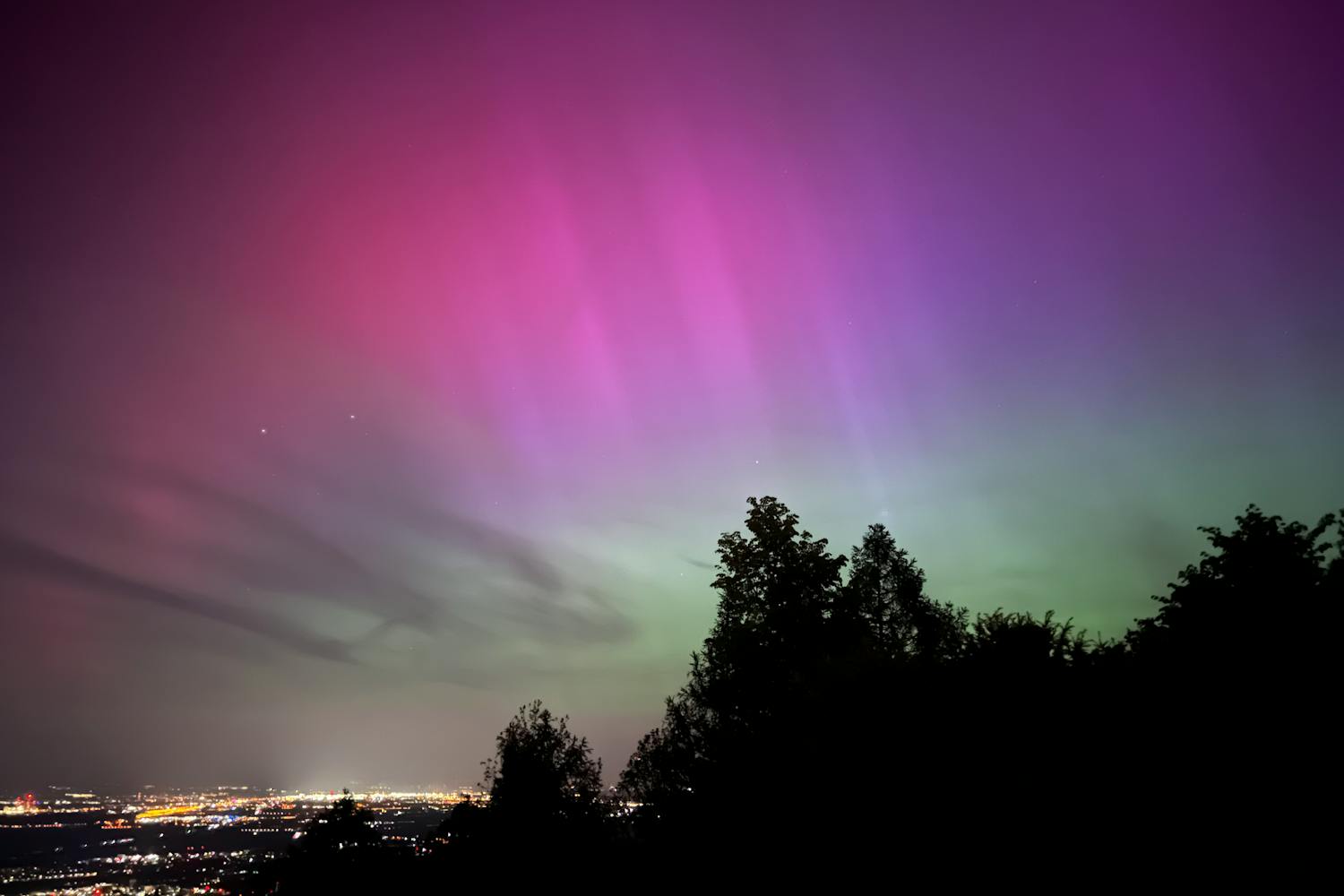
Written by Mikko Lintunen
In a nutshell
The best places to see the Northern Lights combine high latitude, reliably clear skies, and true darkness. Within Scandinavia, Finnish Lapland north of Rovaniemi, Abisko in Sweden, Alta in Norway, and northern Iceland are the standout locations. Beyond Scandinavia, Fairbanks in Alaska and Whitehorse in the Yukon are world-class. Wherever you go: the further from light pollution, the better. A guided aurora safari will always outperform a self-drive attempt on a cloudy night.
For a complete guide, visit our Northern Lights Travel Guide.
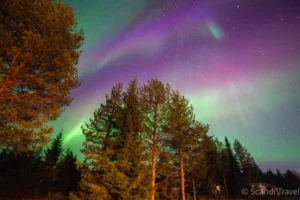
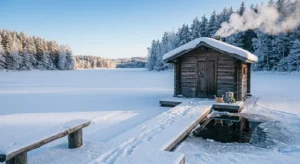
I have stood at the edge of a frozen lake in Finnish Lapland, with no light source in any direction for thirty kilometers, and watched the sky do things I still cannot fully explain. The lights were not on the horizon. They were directly overhead. Moving. That only happens in certain places.
I’ve been running Northern Lights tours across Scandinavia since 2010, and in that time I’ve learned that where you go matters as much as when.
In Finnish, there is a word for the kind of place the Northern Lights need: erämaa. True wilderness. Not just remote, but genuinely untouched. Scandinavia has more of it than almost anywhere on earth. And the lights, when you see them from inside it, are something else entirely.
This guide covers the best specific locations across Scandinavia and beyond. I will go deep on the places I know personally, and be honest about the ones I don’t. For the full picture on timing, solar activity, and which months to travel, see our Northern Lights Travel Guide.
What makes a great aurora location
Three things, in order of importance. And then one more that nobody puts in a guide.
Latitude. The auroral oval, the band of sky where the Northern Lights are most concentrated, sits between roughly 65 and 72 degrees north. The closer you are to that band, the more often the lights appear overhead rather than on the horizon. This is why Tromsø and Abisko consistently outperform Rovaniemi for pure aurora frequency.
Clear skies. Latitude is irrelevant if it is cloudy. This is where many famous destinations disappoint. Coastal Norway has spectacular scenery but notoriously variable weather. The ability to move, to chase clear sky, is often the difference between seeing the lights and missing them.
Darkness. Light pollution does not stop the Northern Lights appearing, but it does stop you seeing them properly. A display that reads as faint in a town center can be extraordinary thirty kilometers into the wilderness. Always, always get out of town.
And one more thing, though no forecast app will tell you this: good company. The best aurora moments I have witnessed were not the most intense displays. They were the ones where someone next to me grabbed my arm.
Scandinavia: the locations I know
Finland
Finland is where my heart is on this, so I will go into more detail here than anywhere else.
The honest truth about Finnish Lapland is that most visitors stop too soon. They fly into Helsinki, take the overnight train to Rovaniemi, see the Northern Lights safari options, and stay. I say this gently, because I love Rovaniemi. But if the lights are the only reason you are flying to Finland, go north.
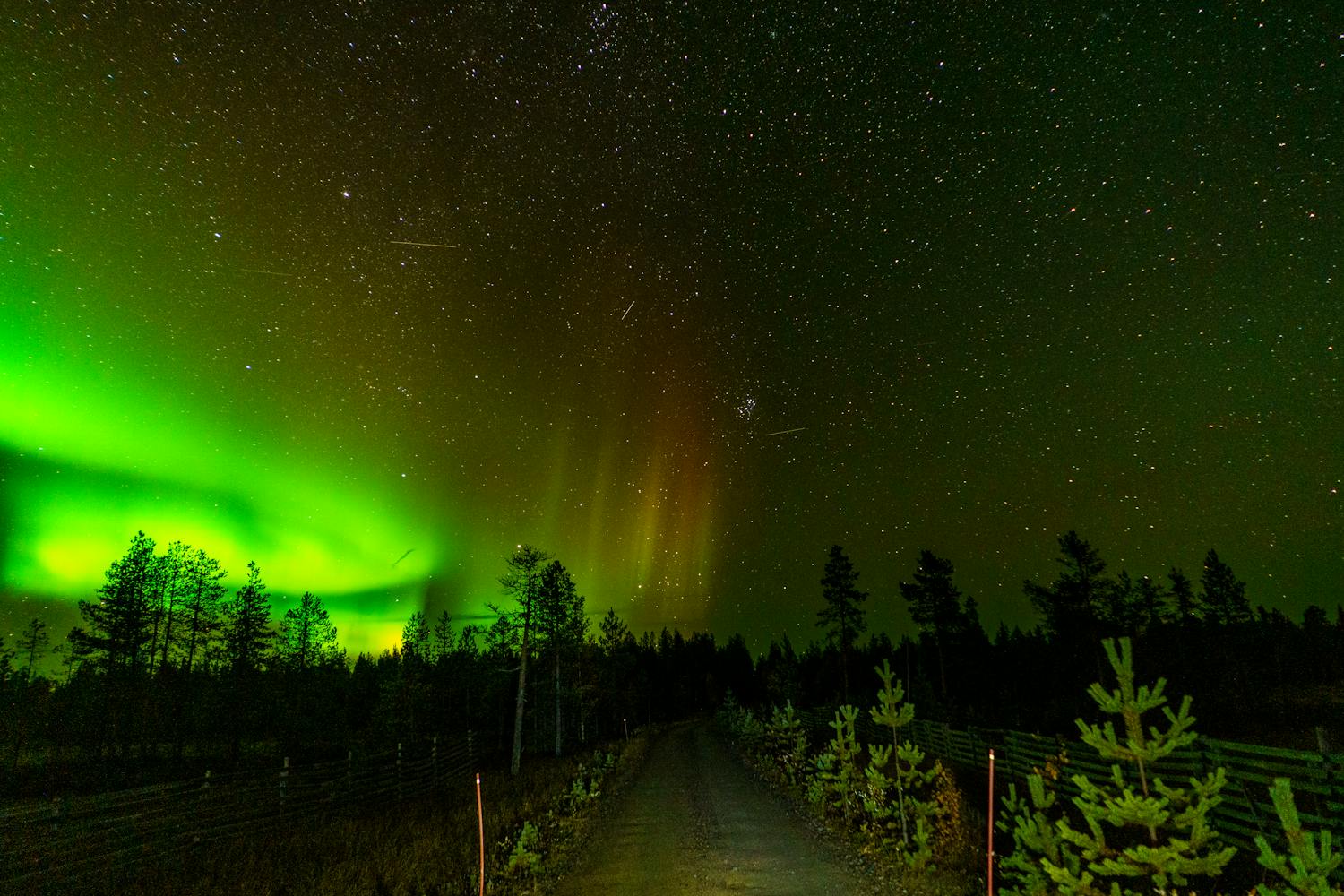
There is something else worth knowing about Finnish Lapland that sets it apart from almost any other wilderness destination on earth. Finnish law enshrines jokamiehen oikeus, every person’s right: the legal right to move freely across any land, including private land, as long as you cause no harm. In Lapland, this means the wilderness is genuinely yours to walk into. No fences, no permission required, no guided tour necessary to reach the dark sky. You simply go.
Rovaniemi sits almost exactly on the Arctic Circle, which means the aurora is often on the horizon, not overhead. The glass igloos, the reindeer farms, the husky safaris, Santa Claus Village, the whole magic of Lapland is here, and it is genuinely wonderful. On average, Rovaniemi sees the Northern Lights on every third clear night, according to the Finnish Meteorological Institute. That is good. It is just not as good as what lies an hour or two further north. Rovaniemi is on our 12-Day Northern Lights and Scandinavia Tour for very good reason. It is the best introduction to Lapland that exists. Just know where the road goes from there.
Saariselkä sits around 250 kilometers north of the Arctic Circle. Quieter than Rovaniemi, less developed, and significantly better positioned for aurora viewing. The Urho Kekkonen National Park surrounds it, offering vast, dark, open wilderness with almost no light pollution. This is where I send guests who tell me the lights are the priority above everything else.
Inari and Ivalo are further north still, and this is where the numbers become remarkable. According to the Finnish Meteorological Institute, in Kilpisjärvi the Northern Lights are visible on average three out of four clear nights during the dark season, a 75% success rate. In the Inari and Utsjoki areas, aurora is visible on approximately four nights out of five. These are extraordinary odds. Lake Inari itself offers something rare: when the aurora is reflected on the water on an unfrozen autumn night, you get the display twice. Our 8-Day Northern Lights Tour to Helsinki, Rovaniemi, and Inari was designed specifically to include this northern stretch. It exists because the difference between Rovaniemi and Inari is not just kilometers.
Kilpisjärvi, at the far northwestern tip of Finland where the Finnish, Norwegian, and Swedish borders meet, is the most remote and the most rewarding. Few travelers reach it. Getting there requires what Finns call sisu. There is no direct English translation. Roughly: the quiet determination to do the hard thing anyway. Standing in -30°C waiting for the sky to perform is very sisu. For those who make it, the conditions are as good as anywhere in Scandinavia. If I had one more night in Lapland and the lights mattered above everything else, it would come down to Kilpisjärvi and Inari. Every time.
Norway
Norway’s reputation as a Northern Lights destination is enormous, well-earned, and occasionally slightly ahead of reality. The scenery is the most dramatic in Scandinavia. The aurora is genuinely world-class. And the coastal weather is the one thing that keeps experienced guides on their toes every single night of the season. I say that with affection. Norway keeps you honest.
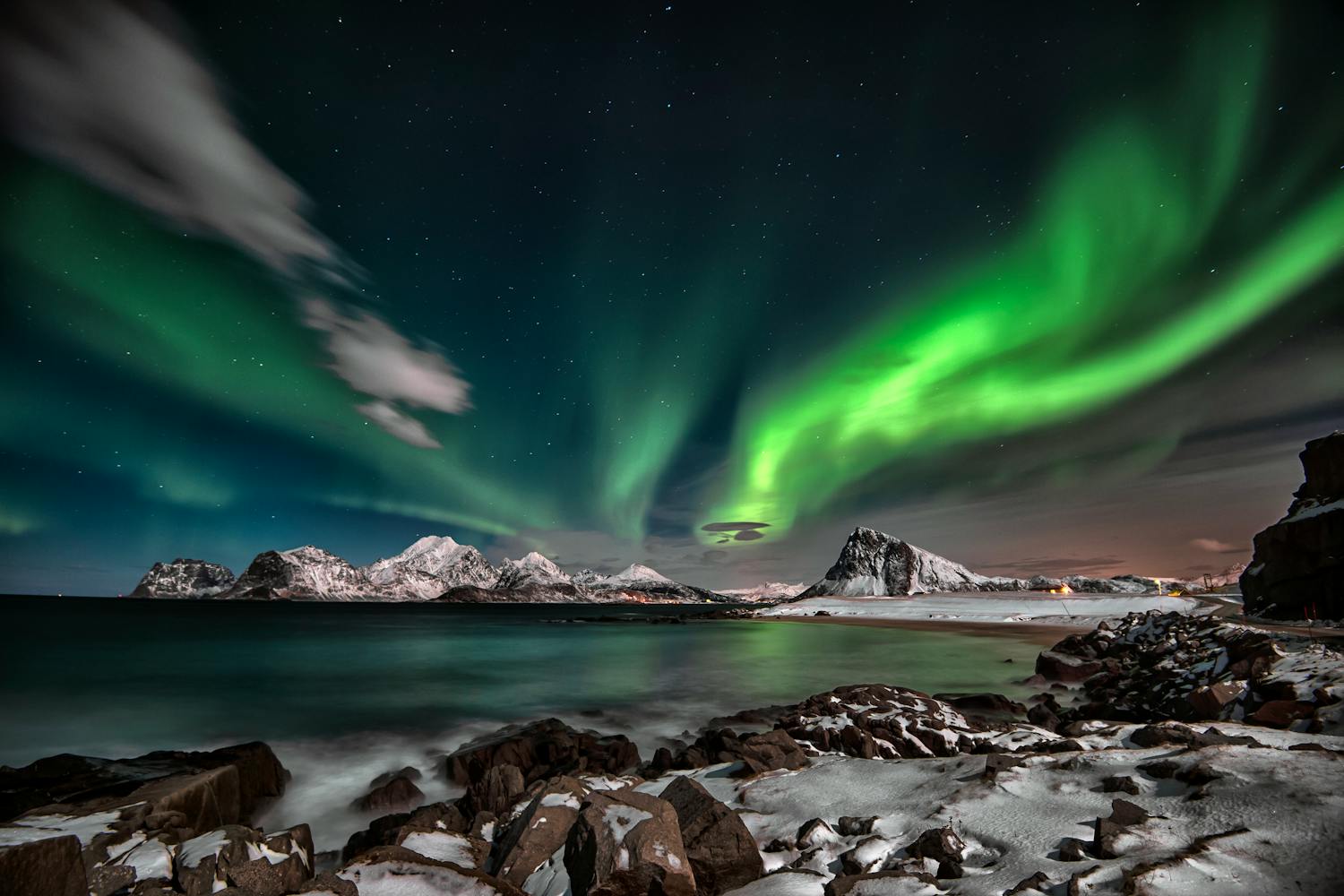
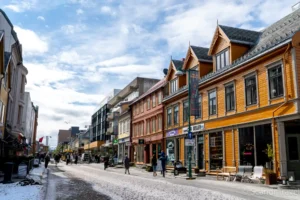
Tromsø sits directly under the auroral oval at 70 degrees north, making it one of the best-positioned cities on earth for aurora viewing. It is the only city in the world to be in the heart of the auroral oval, and it receives over 300,000 aurora tourists per year. The infrastructure is world-class, the guides are excellent, and the city itself is genuinely worth visiting regardless of the weather. The challenge is cloud cover. Tromsø’s coastal position means overcast nights are common. The guides here are very good at chasing clear patches, often driving east into Finland if that is what it takes. This is not a problem if you are with the right operator. It becomes one if you are trying to do it yourself.
Alta is my quiet recommendation for Norway. It is 150 kilometers east of Tromsø, inland, colder, and considerably clearer. The scenery is less dramatic, the infrastructure smaller, but the aurora viewing is more reliable. It is where the guides go when Tromsø clouds over. Less famous, more effective. The Sorrisniva Igloo Hotel near Alta is one of the finest aurora accommodation experiences in Norway.
Senja Island is perhaps Norway’s best-kept secret for aurora viewing. It is 90 minutes south of Tromsø, accessible by bridge, and offers the dramatic mountain and fjord scenery of Lofoten with a fraction of the visitors. I find myself recommending it more and more. The photographers who know it guard it carefully. It requires a car and some flexibility, but the combination of landscape and aurora is extraordinary.
The Lyngen Alps, east of Tromsø across the fjord, offer another excellent option. Inland enough to escape the worst coastal cloud, dramatic enough to create unforgettable aurora backdrops. Several of Norway’s most spectacular glass cabin experiences are located here.
Iceland
Iceland presents a specific challenge that is worth being honest about. The weather is highly variable, the landscape is extraordinary, and the aurora season is genuine. But Iceland’s appeal is the combination of aurora with volcanic landscapes, geysers, and glaciers rather than the reliability of the aurora itself. Come here for the whole picture, not just the lights.
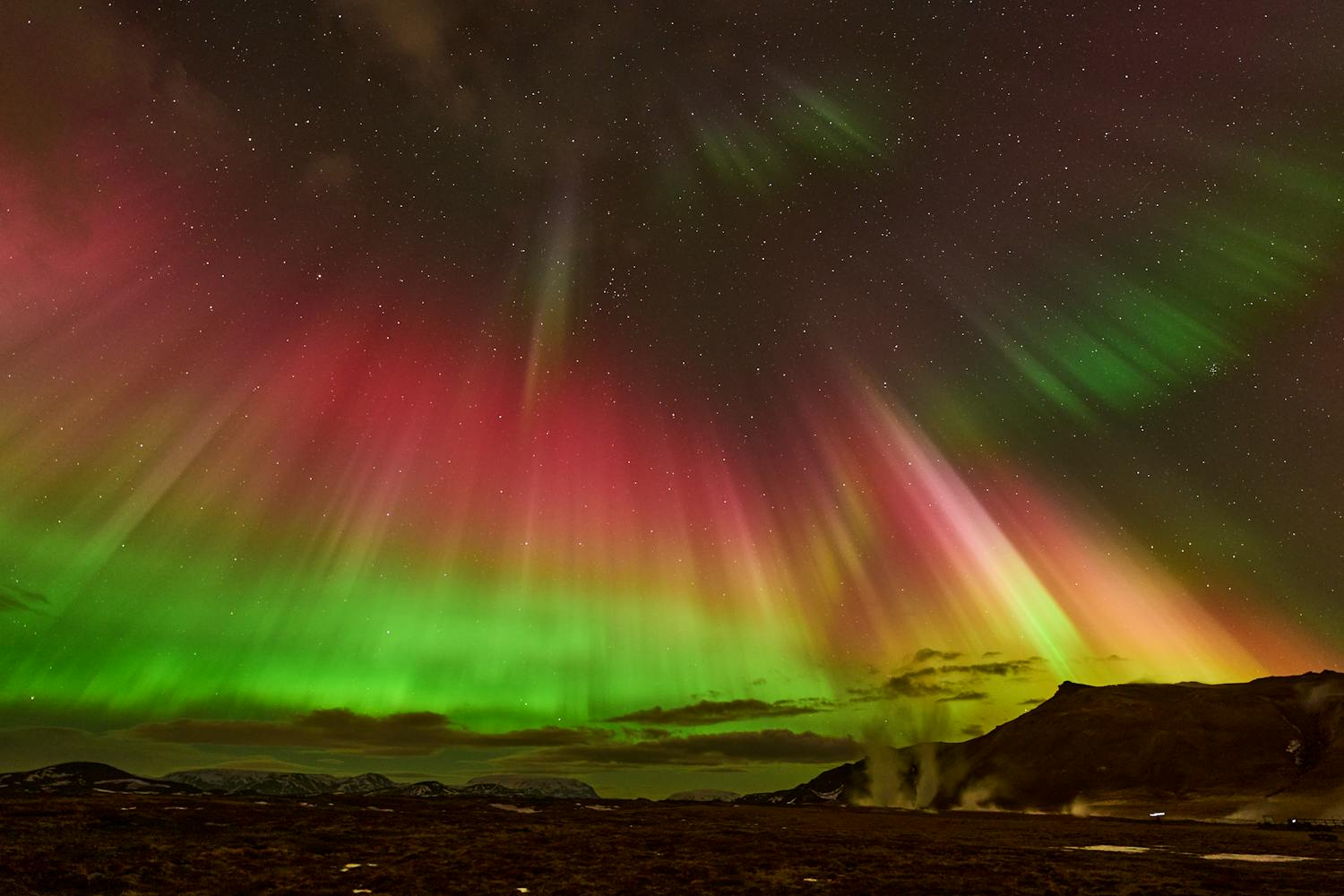
Away from Reykjavik is the starting point for any serious aurora viewing in Iceland. The capital has enough light pollution to wash out faint displays. Drive thirty minutes in any direction and conditions improve immediately.
The Snæfellsnes Peninsula, two hours west of Reykjavik, offers glacier and lava field backdrops that are unlike anything else in the aurora world. On a clear night with strong activity, this is genuinely one of the most photogenic aurora locations on earth.
Jökulsárlón glacier lagoon in southeastern Iceland is the other extraordinary landscape. Icebergs drifting in a dark lagoon with aurora overhead is a combination that stops people in their tracks. The challenge is that the south coast is often the cloudiest part of Iceland.
Northern Iceland around Akureyri is more reliable for clear skies than the south. It is further from Reykjavik, less visited, and consistently better for aurora viewing. If Iceland is your destination and the lights are the priority, fly into Akureyri rather than Reykjavik.
Our 10-Day Scandinavia and Iceland Tour incorporates Iceland for the Golden Circle and Reykjavik experience, with aurora viewing as part of the package. Iceland rewards flexibility. The guests who see the best displays are the ones willing to drive.
Sweden
Sweden’s contribution to this list is essentially one place, and it is one of the best aurora locations on earth.
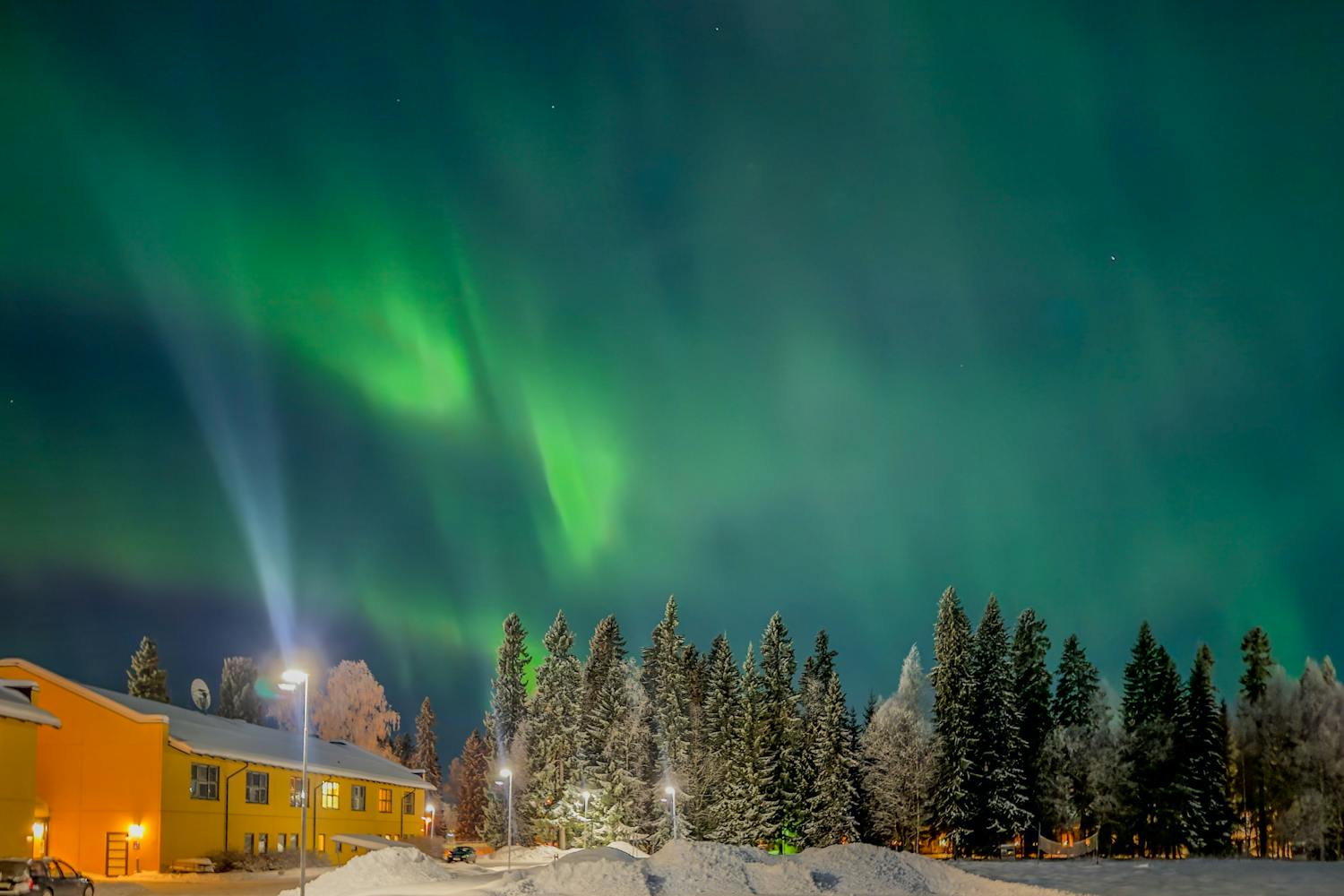
Abisko in Swedish Lapland is where I send guests who say cloud cover is their biggest fear. The Blue Hole microclimate, created by the interaction of Lake Torneträsk and the surrounding mountains, produces reliably clear skies even when the surrounding region is overcast. Swedish meteorological data consistently shows Abisko recording significantly fewer cloudy days per month than Tromsø, even when the two are separated by only 200 kilometers of mountains. The Aurora Sky Station at 900 meters elevation takes this further. On nights with low-lying cloud, climbing to the station means emerging above the clouds entirely. Frozen Lake Torneträsk as a foreground, open sky above. If you are serious about photography, Abisko belongs at the top of your list.
Kiruna, nearby, offers additional accommodation and infrastructure. For those who want access to Abisko’s skies with more hotel options, Kiruna is a logical base.
The rest of the world
Scandinavia is where I have spent my whole life, and where I have been providing guided tours for the last fifteen years. When I describe a specific viewpoint on Senja Island or the quality of the sky above Inari, I am drawing on experience I can stand behind. The following destinations I know through research and through conversations with guests who have visited them, not through running tours there myself. They are all genuinely excellent. Please factor that distinction in.
Canada: the Yukon. Whitehorse in the Yukon is consistently ranked among the world’s premier aurora destinations. The combination of high latitude, dry continental air, and minimal light pollution across enormous wilderness creates excellent conditions. The aurora season runs from late August through April. Best months: January to March.
Canada: Churchill, Manitoba. Churchill offers something unique: the chance to combine Northern Lights with polar bears. Located on Hudson Bay, it depends more on strong geomagnetic activity than pure latitude. During high solar activity, as right now, it delivers. The polar bear season in October and November overlaps with the aurora season. It is an extraordinary combined destination and one of the more unusual things you can do on this planet.
Canada: Yellowknife, Northwest Territories. Yellowknife has built a particularly strong reputation with Japanese visitors, for whom seeing the Northern Lights carries deep cultural significance. The town has developed considerable aurora infrastructure as a result, and it shows. It sits directly under the auroral oval with reliable cold, clear winter skies. Best months: February and March.
Alaska: Fairbanks. Fairbanks sits at about latitude 64.8 degrees north and its aurora season runs from roughly August 21 to April 21, according to the University of Alaska Geophysical Institute. It has a continental climate, which means the cold is serious but the skies are frequently clear. It is arguably the most reliable single aurora location in North America. Best months: January and February.
Greenland. Remote, expensive to reach, and logistically demanding. If you have already seen the Northern Lights and you want to experience them somewhere the world feels completely wild, Greenland is the answer. The skies are among the clearest on earth and the landscape, icebergs, sea ice, Arctic silence, produces aurora backdrops found nowhere else. Ilulissat and Kangerlussuaq are the main access points. Best from October to March.
Scotland and Northern England. This belongs in any honest guide, though with clear caveats. During periods of strong solar activity the aurora regularly reaches Scotland and northern England. In 2024, during the peak of the current solar maximum, it was visible as far south as southern England. Not reliable enough to plan a dedicated trip around. But if you are already in Scotland between October and March and you see the KP index climbing, step outside. The chances right now are better than they have been in a decade.
Quick comparison
| Location | Aurora frequency | Cloud risk | Mikko’s verdict |
| Inari, Finland | 4/5 nights (clear) | Low | The best odds in Scandinavia. Go here if the lights are everything. |
| Abisko, Sweden | Very high | Very low | The most reliable clear skies in northern Europe. Photographers, this is yours. |
| Alta, Norway | High | Low to moderate | Norway’s best-kept secret. Less famous than Tromsø, more effective. |
| Tromsø, Norway | Very high | Moderate to high | The world’s aurora capital. Go with a guide who will chase the clear sky. |
| Rovaniemi, Finland | Every 3rd night | Low | The complete Lapland experience. Not the highest odds, but the best overall trip. |
| North Iceland | Good | Moderate | More reliable than the south. Fly into Akureyri. |
| Fairbanks, Alaska | Excellent | Low | North America’s answer to Abisko. |
| Whitehorse, Yukon | Excellent | Low | Beautiful, remote, world-class. |
| Churchill, Canada | Good in high activity | Moderate | Polar bears and aurora. Nothing else like it. |
Start planning!
The table above tells you the odds. What it cannot tell you is what it feels like to stand at the edge of Lake Inari at midnight with the lights directly overhead, or to watch the aurora hold steady above Abisko while cloud covers every other valley for a hundred kilometers in every direction.
That is what we do.
Our 12-Day Northern Lights and Scandinavia Tour takes you from Stockholm through Tallinn and Helsinki, then north on the Santa Claus Express into Finnish Lapland. Three dedicated nights in Rovaniemi, a glass igloo stay, a guided aurora safari into the wilderness, and a husky team pulling you through a silent forest while the sky does what it does. For a tailor-made itinerary built around a specific destination on this list, whether that is Inari, Abisko, Alta, or somewhere further afield, contact us. We will have a personal offer to you within 24 hours.
For the complete guide to timing, solar conditions, and the current solar maximum window, visit our Northern Lights Travel Guide.
Hei hei from me and the team at Scandi Travel.